When to Ask The Dentist for A Mouth Guard
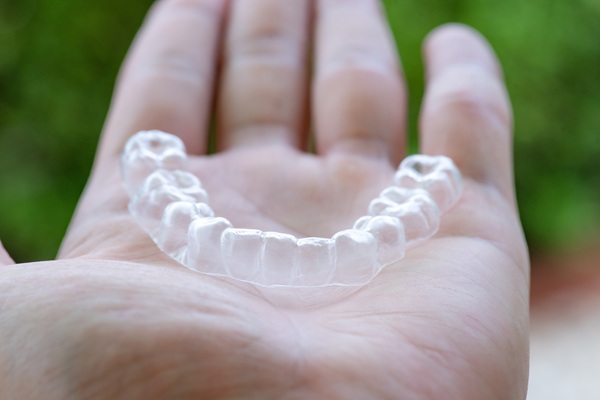
A mouth guard is a valuable tool for protecting oral health. Many individuals may benefit from wearing one. Some people use it to prevent injury while participating in contact sports, while others wear one at night to manage conditions such as teeth grinding and sleep apnea. Understanding when to ask the dentist for a mouth guard can make a significant difference in your oral health.
Reasons to wear a mouth guard
Signs of teeth grinding (bruxism)
One of the most common reasons to consult a dentist about a mouth guard is the presence of teeth grinding. This condition is medically known as bruxism. Bruxism often occurs when a person is asleep and can lead to symptoms such as jaw pain, headaches, and tooth damage.
Over time, grinding can wear down tooth enamel, increase sensitivity, and cause cracks or fractures. If the patient or their sleeping partner observes these symptoms, they should seek professional guidance from a dentist. A custom-made mouth guard that the patient wears when they are asleep can help alleviate pressure on their teeth and reduce the negative effects of teeth grinding.
Participation in contact sports
Athletes involved in contact sports such as football, hockey, or basketball should consider wearing a mouth guard to protect their teeth and gums from injury. The dentist can provide a custom-fitted mouth guard to absorb the impact during competitions. Mouth guards can reduce the risk of broken teeth, lacerations, or jaw injuries. While over-the-counter options are available, custom mouth guards offer a superior fit and comfort, providing better protection during high-impact activities. They are designed with the patient's oral anatomy and sport in mind.
Temporomandibular joint (TMJ) disorders
TMJ disorders can cause discomfort in the jaw, difficulty chewing, and even clicking or popping sounds when opening the mouth. A dentist may recommend a mouth guard to alleviate these symptoms by stabilizing the jaw and reducing strain on the temporomandibular joint. Night guards, a type of mouth guard, are often prescribed for this purpose. They help maintain proper jaw alignment during sleep and can minimize pain and inflammation associated with TMJ disorders.
Sleep apnea and snoring
A dentist may recommend an oral appliance that functions similarly to a mouth guard for individuals diagnosed with mild to moderate sleep apnea or chronic snoring. These appliances work by repositioning the jaw and tongue to keep the airway open during sleep, improving the patient's breathing and reducing the intensity and frequency of snoring. Additionally, a dentist with experience in sleep medicine and snoring treatment can help determine whether an oral appliance can effectively address the patient's needs.
Orthodontic protection during treatment
Individuals undergoing orthodontic treatment with metal braces or clear aligners may benefit from a mouth guard. Wearing a mouth guard can help prevent damage to their teeth-straightening device and protect their teeth. For example, athletes with braces face an increased risk of oral injuries if they participate in sports without adequate protection. A dentist can create a mouth guard that accommodates orthodontic devices, ensuring the patient's safety and successful progress in orthodontic treatment.
When over-the-counter mouth guards may not be enough
While store-bought mouth guards are readily available and are typically less expensive than custom mouth guards, they may not provide the same level of protection, comfort, or durability. They also need to be replaced more often than custom mouth guards. The dentist can evaluate the patient's needs and create a mouth guard that fits comfortably. Poorly fitting mouthguards can lead to discomfort, which can reduce the patient's compliance and may lead to additional oral health issues.
The importance of regular check-ups
Regular dental check-ups are essential for identifying potential issues requiring a mouth guard. During these visits, the dentist can assess oral health, address the patient's concerns, and provide personalized recommendations. For those already using a mouth guard, routine appointments allow the dentist to inspect the device for cracks and other wear and ensure it continues to fit the patient's mouth as designed.
With proper care, mouth guards can last for several years. However, the exact lifespan depends on factors like how commonly the patient wears it, their oral hygiene, and the quality of the material. According to the Cleveland Clinic, most dentists recommend replacing custom-fit mouth guards every few years.
Learn more about mouth guards
A mouth guard is an effective solution for a variety of oral health concerns. With the right protection, you can protect your oral health and prevent potential complications. Call our New Albany office to learn more about mouth guards or to schedule an appointment.
Request an appointment here: https://riverfallsfamilydental.com or call River Falls Family Dental at (812) 962-7342 for an appointment in our New Albany office.
Check out what others are saying about our services on Yelp: Read our Yelp reviews.
Related Posts
Dental crowns are a reliable and effective tool for restoring damaged teeth. While most people think of dental crowns in relation to root canals, crowns can also restore beauty and function to cracked teeth. If you have fractured a tooth, a dental crown may be the solution you have been looking for.A dental crown sits…
Aesthetic dentistry refers to dental treatments that aim to improve the appearance of your teeth, as well as their function and health. There are several procedures that fall under this umbrella term, each targeting specific problems that can occur with your teeth over time, such as discoloration, spacing, missing teeth, and many more.These procedures aim…
When it comes to enhancing the smile or addressing dental issues, dental crowns and veneers are popular options that offer great results. Both serve different purposes and have unique advantages. It helps to understand the distinctions between the two so you can decide which option is best suited for your specific needs.Dental crowns and veneers…
Dental crowns are remarkable in that they protect the biting surface of damaged teeth and restore their natural shape and size. They are often the last line of defense before the dentist recommends removing a compromised tooth. However, how exactly do dental crowns save a damaged tooth? Read on to learn more.A dental crown, so-named…