What You Need to Know About Implant Supported Dentures
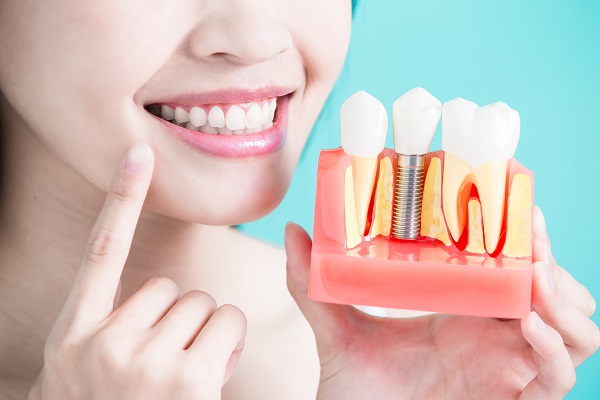
For patients who qualify and are looking for a more permanent solution, implant supported dentures may be a good option since some patients find the thought of wearing traditional or dentures nerve-racking. Mealtimes and social situations can bring anxiety about how well the dentures will stay in place, but not if the implants are secured in place.
What you should know about implant supported dentures
The first step in getting a more permanent denture solution is to talk to a dentist about whether or not it is even a possibility. In order to get implants, there needs to be enough bone in the jaw to support them. For some patients, the bone is not substantial enough to take the implants and traditional dentures are the best option.
For those who have the bone mass necessary, implant supports can be put in the lower and the upper jaw. Some patients choose to only use implant supports on the bottom jaw as traditional dentures tend to be much more unstable on the lower jaw as compared with the upper. Many patients find that their traditional dentures feel plenty secure on the top, but need more support and security on the lower jaw. A qualified dentist can help patients decide which option is right.
What the procedure looks like
The full process will take some time. Do not expect to go to the dentist and come out with a complete set of dentures. It will take months to go through the implant process. Supports are usually placed at the front of the jaw where there is more bone and fewer nerves and tissues.
During surgery, the dentist will drill holes into the jaw bone where the implants will be placed. Then the implants or anchors will be inserted into the drilled holes and the gums will be stitched over the top. The bone will need to accept the implants and start to grow and fuse with them in the coming months.
After the bone and the implants have fused, the dentist will reopen the gums and, during a two- to three-week process, get the final abutments placed. These abutments will attach to the inside of the dentures.
Living with implant supported dentures
Living with implant supported dentures is similar in some ways to traditional dentures and very different in others. The benefit of this more permanent solution is the greater quality of life day to day. Patients can eat many of the foods that they could not with regular dentures. While extremely sticky or hard foods still need to be avoided to reduce the risk of damaging the dentures, most foods are still on the table.
Wearers do not need to worry about dentures coming out during mealtimes. Talking is also easier, and wearers can have the confidence to speak without worrying about dentures sliding or falling out. Dentures still need to be removed and cleaned at night.
Conclusion
If you are looking for a more permanent solution to regular dentures, talk to a dentist about implant supported dentures. If you are a good candidate, these dentures may provide a more worry-free experience.
Are you considering implant supported dentures in the New Albany area? Get more information at https://riverfallsfamilydental.com.
Check out what others are saying about our services on Yelp: Read our Yelp reviews.
Related Posts
Professional teeth cleaning is an important aspect of routine dental care. In addition to practicing thorough oral hygiene habits that include regular brushing and flossing of the teeth, patients should always maintain biannual dental exams to ensure excellent oral health.The following are a few of the numerous benefits that regular teeth cleanings offer when included…
A chipped tooth can affect your smile's appearance and oral health, leading to discomfort, sensitivity, and self-esteem issues. Fortunately, there are several effective options to restore a tooth's natural look and strength. A variety of treatments are available, depending on the severity of the chip, its location, and your treatment goals.A chipped tooth can result…
Incorporating good habits into routine dental care on a daily basis can help teeth and gums stay as healthy as possible. Regular dental hygiene is associated with reduced plaque, fewer cavities, and less incidence of gum disease over a person's lifetime. Patients do not need to completely overhaul their oral health routines. Instead, implementing a…
A routine dental care plan refers to oral hygiene that a patient performs at home as well as preventative care performed by a dentist on a periodic basis. When a patient has gum disease, the need for dental care is even greater. Some specific requirements may change, and the patient may have treatments that were…