How To Tell if You Are a Candidate for a Dental Bridge
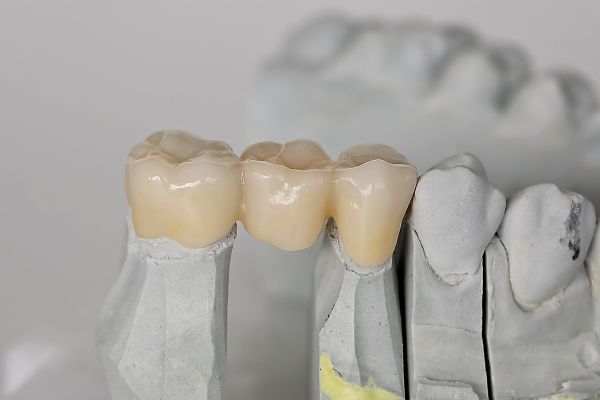
Dental bridges can replace missing teeth effectively and often without needing surgery. Not only will this restore the smile, but it also helps patients avoid the negative oral health effects of missing teeth. A general dentist can determine whether a patient is a good candidate for bridges in a consultation. However, learning the basics can give you an idea of whether bridges may be the tooth replacement solution for you.
What is a dental bridge?
A dental bridge is a restoration that a general dentist may use to replace a missing tooth or several teeth in a row. It consists of a false tooth or teeth called pontics held in place by adjacent natural teeth or dental implants. There are several bridge types, including traditional, cantilever, implant-supported bridges, and Maryland bridges.
Traditional bridges, the most common type, rely on dental crowns placed on adjacent teeth to secure the replacement tooth. Implant-supported bridges offer a similar solution by using crowns affixed to dental implants as anchoring points. A cantilever bridge uses only one crown on one natural tooth. Finally, Maryland bridges are connected via metal wings resin-bonded to the back of adjacent natural teeth.
Bridges vs. other tooth replacements
In comparison to other tooth replacement options, dental bridges often stand out for their efficiency and cost-effectiveness. While dental implants are a permanent solution, patients need sufficient jawbone density to support them. Implants also have a lengthy healing process. Dentures, while removable and more affordable initially, may require frequent adjustments and do not offer the same level of stability as bridges.
Who is a good candidate for a dental bridge?
A dental bridge can help when one or more teeth are missing and the patient needs a durable, functional replacement. Missing teeth can lead to various complications, such as shifting of adjacent teeth, difficulty chewing, and jawbone deterioration. A bridge can prevent these issues by restoring oral function and smile appearance.
Bridges are a top choice for patients seeking a solution that is fixed, aesthetically pleasing, and relatively quick to implement. The general dentist will customize the bridge to match the color and shape of the surrounding teeth for a seamless smile restoration. With the exception of implant-supported bridges, the placement process is non-invasive and has minimal downtime. Patients can typically return to their regular activities after leaving the dental office.
When to consider a dental bridge as a tooth replacement
Ultimately, an evaluation by a general dentist is the only way to determine if a dental bridge is the most suitable tooth replacement option. That said, several factors may indicate that a bridge would be the best choice for a particular patient. These factors include:
Difficulty chewing
Difficulty chewing is a common issue that comes with missing teeth. Tooth loss can create gaps that make chewing food effectively or comfortably a challenge. A dental bridge can restore the functionality needed for a balanced bite so patients can chew food properly and avoid digestive issues.
Speech changes
Speech changes are also a common consequence of tooth loss. Missing teeth can interfere with proper pronunciation and affect speech clarity. Thus, a dental bridge can help restore natural speech patterns and improve communication.
Want to stop the teeth from shifting
Shifting of adjacent teeth is another significant concern when a tooth is lost. When gaps are left unfilled, the neighboring teeth may drift out of alignment to fill that empty space. A dental bridge can prevent this shifting by promptly filling the gap.
What to expect at a dental bridge consultation
A consultation for a dental bridge involves a comprehensive dental examination. During this exam, the general dentist assesses the teeth, gums, and oral cavity to ensure the adjacent teeth or implants can adequately support the bridge. They may order digital imaging or X-rays so that they can evaluate the condition of the jawbone and surrounding teeth, as well.
If the patient is a candidate for a bridge, the dentist will recommend the most appropriate bridge type and outline the procedural steps. Additionally, a discussion about the available materials, such as porcelain, ceramic, or metal alloys, helps to align the final restoration with the patient’s aesthetic preferences and functional needs.
Schedule a consultation today
Dental bridges restore functionality, improve aesthetics, and help maintain the structural integrity of the surrounding teeth. If you want to find out whether you could be a bridge candidate, contact our New Albany team for a consultation. Our general dentist can help determine the best tooth replacement solution for your oral health needs.
Request an appointment here: https://riverfallsfamilydental.com or call River Falls Family Dental at (812) 962-7342 for an appointment in our New Albany office.
Check out what others are saying about our dental services on Yelp: Dental Bridges in New Albany, IN.
Related Posts
Dental crowns are a common restorative solution that protects damaged teeth, improves appearance, and restores proper function. The placement process follows a common step-by-step restoration. Understanding this process can help alleviate any uncertainty you may have before an upcoming appointment and prepare you for what you can expect. Each stage of the dental crown placement…
Tooth loss can affect how you eat and speak, as well as how your smile looks. Restorative solutions, like implant crowns, are important for maintaining your dental and overall health. Implant crowns are strong and resemble natural teeth, blending well with surrounding teeth. They imitate the structure of real teeth, providing long-term benefits for those…
A dental crown is a custom-made restoration designed to strengthen, protect, and restore the appearance of a tooth weakened by damage, decay, or wear. Used frequently in general, family, and cosmetic dentistry, a dental crown offers long-term protection while enhancing the look and function of the natural tooth. Understanding its purpose, the treatment process, and…
Proper care of a dental crown is essential for maintaining its appearance, function, and longevity. A dental crown restores damaged or weakened teeth, providing durability and protection to the underlying tooth structure. Although crowns are designed to withstand chewing forces, taking specific precautions ensures their long-term success and helps maintain oral health.A dental crown acts…