Dental Deep Cleaning for Gum Infection
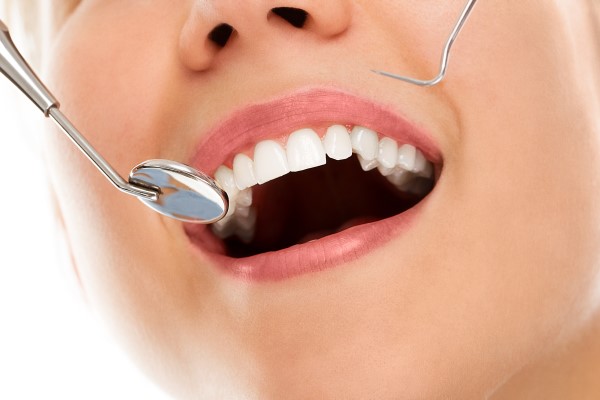
Patients with periodontal disease sometimes need a procedure known as a dental deep cleaning. Periodontal disease, or gum disease, is a chronic infection that can be caused by a number of factors, including smoking, diabetes, poor oral hygiene, or family history of the disease. The treatment of this condition is ongoing and lasts for a lifetime. Deep cleanings, also known as periodontal scaling and root planing, are often the first line of defense.
Common questions about a dental deep cleaning
Patients often have questions about this procedure and its effect on the overall management of periodontal disease. There should be a concerted effort between the dentist, hygienist, and patient to make sure that everyone is aware of the treatment plan and goals.
What is a dental deep cleaning?
Periodontitis, an inflammatory disease, is caused by harmful plaque, calculus, and bacteria beneath the gums. If left undisturbed, these microbes will eventually destroy the bone supporting the teeth, causing tooth loss. In a scaling and root planing procedure, a dentist or hygienist uses special instruments called scalers to remove these harmful substances beneath the gums. In some cases, an ultrasonic scaler may be used. This instrument sprays water and vibrates to help disrupt and flush out the damaging bacteria.
The patient typically has one side of the mouth treated at a time. In this way, special attention can be given to each area, and it is often more comfortable for the patient. In more severe cases, only a few teeth may be treated at one time.
Who can benefit from this type of treatment?
Those in the early stages of gum disease can often benefit from a dental deep cleaning. When the source of infection is removed, the gums are able to begin the healing process. When plaque and tartar are cleaned from the teeth, the patient can practice better home hygiene habits, too. Even patients in the later stages of periodontitis can have favorable results from a scaling and root planing procedure.
What are the goals of treatment?
Every patient's needs are unique, and because periodontal disease is a multifactorial condition, the treatment can vary greatly. However, the goal of any periodontal treatment is to halt the progression of the disease. Many of the effects of gum disease cannot be reversed, but treatments aim to keep the teeth and supporting structures as healthy as possible.
Conclusion
Because there are so many complex considerations with the cause and treatment of periodontitis, it is important that the patient and dentist have a thorough discussion about treatment options and goals. A dental deep cleaning can be the right first step for many patients, and the procedure is a minor one with little to no recovery period. For those who think they could benefit from this treatment process, a consultation is recommended with a dental professional. With the joint effort of the dental team and the patient, a healthy smile can be achieved.
Request an appointment here: https://riverfallsfamilydental.com or call River Falls Family Dental at (812) 962-7342 for an appointment in our New Albany office.
Check out what others are saying about our services on Yelp: Read our Yelp reviews.
Related Posts
When it comes to enhancing the smile or addressing dental issues, dental crowns and veneers are popular options that offer great results. Both serve different purposes and have unique advantages. It helps to understand the distinctions between the two so you can decide which option is best suited for your specific needs.Dental crowns and veneers…
Dental crowns are remarkable in that they protect the biting surface of damaged teeth and restore their natural shape and size. They are often the last line of defense before the dentist recommends removing a compromised tooth. However, how exactly do dental crowns save a damaged tooth? Read on to learn more.A dental crown, so-named…
A full mouth reconstruction restores oral health, functionality, and aesthetics for patients with extensive dental issues. This process combines multiple restorative, cosmetic, and sometimes surgical procedures to address concerns such as missing teeth, decay, gum disease, or bite misalignment. No matter the issue, a full mouth reconstruction is tailored to the individual's unique needs, offering…
Dental crowns and dental bridges are effective restorations dentists use to address missing or damaged teeth. While they share some similarities, they differ when it comes to the placement process, their purpose, and the number of teeth involved. Learn which is best for you to restore your smile.The dentist will use dental crowns to restore,…